Water Purification Process
The Water Purification Process
New Orleans’ drinking water comes from the Mississippi River, a surface water source. SWBNO operates two water purification plants to supply drinking water to residents, visitors, and businesses in the City of New Orleans. Customers on the East Bank of the Mississippi River receive their water from the Carrollton Water Treatment Plant, and the West Bank Customers receive water from the Algiers Water Treatment Plant.
River water from the Mississippi River is pumped to the treatment plants from large river pumping stations. The Mississippi River water is untreated, raw water, and contains large amounts of suspended solids. It is purified through a series of steps described below.

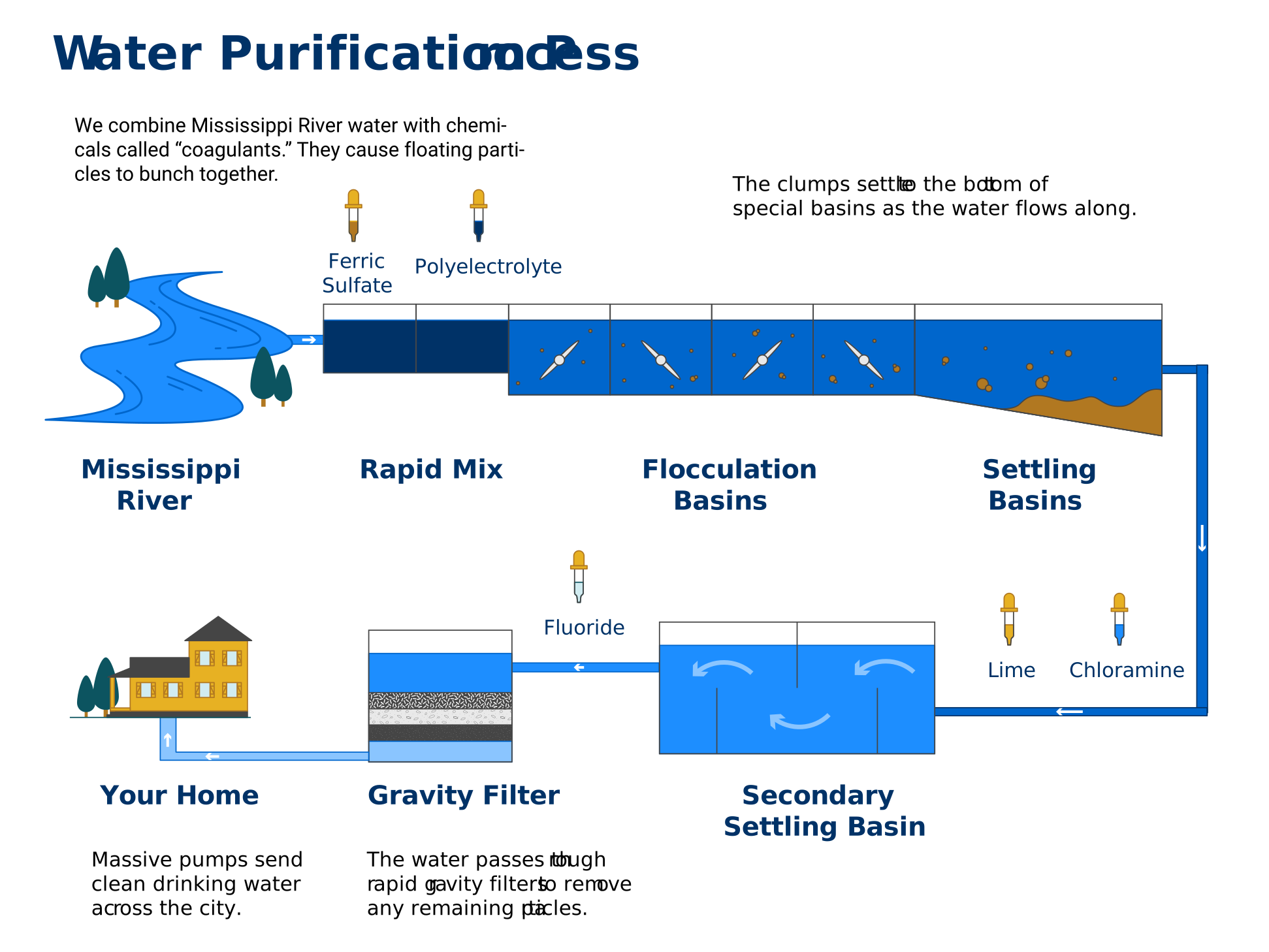
Water Treatment Process
Step 1 - Coagulation
As the river water enters the Carrollton Plant, the purification process begins with the addition of coagulant chemicals: ferric sulfate and polyelectrolyte. Coagulant chemicals cause the very fine particles that make up the suspended solids present in the river water to clump together or coagulate. These chemicals are added to the process at precise dosages and mixed rapidly with the river water to ensure efficient and complete coagulation. Ferric sulfate is our primary coagulant, and polyelectrolyte is used as a coagulant aid.
Step 2 - Flocculation
After the raw water has been coagulated, it is gently mixed by large mechanical paddles in a process called flocculation. Flocculation causes the fine, light particles that were created during the coagulation process to mature into larger, denser, stable particles that will settle quickly.
Step 3 - Sedimentation
The flocculated water then travels into primary settling basins or clarifiers. In the primary settling basins, the large, dense particles formed during the coagulation and flocculation processes settle forming a sludge layer on the bottom of the primary settling basins. This sludge is periodically removed from the basins and returned to the Mississippi River through a permitted discharge. The clarified water continues through the remainder of the water treatment process.
Step 4 - Disinfection
After the clarified water leaves the settling basins, the disinfection process begins with the addition of chlorine and ammonia, producing monochloramine. The chloramine disinfected water passes through a second set of basins to provide detention time for the disinfection process.
Step 5 – Corrosion Control
The next step in the process is corrosion control where the pH of the water is adjusted. Lime, also known as calcium hydroxide, is added during this step to achieve the desired target pH. Adjusting the pH makes the water more basic and less corrosive to the pipes in our water distribution system and the plumbing in our customers’ homes, as well as extends the life of the disinfectant residual in the distribution system. A small amount of polyphosphate solution is also added with the lime. Polyphosphate is used as a sequestrant, which helps to keep the lime dissolved in the water.
In 2026, SWBNO will start a pilot project at the Algiers Treatment Plant to incorporate a food grade additive known as zinc orthophosphate into our treatment process to further reduce lead levels in drinking water. While there is no detectable lead in the water leaving the treatment plants, it can enter the drinking water through lead pipes and fixtures in plumbing. Zinc orthophosphate reduces corrosion by forming a protective barrier on the interior of pipes.
Step 6 - Fluoridation
Fluoride, in the form of fluorosilicic acid, is then added to aid in the prevention of dental cavities.
Step 7 - Filtration
The final step in the purification process is filtration through rapid gravity filters. This type of filter uses granular filter media (sand and anthracite) to remove any remaining suspended particles in the water. This step in the treatment process consists of passing the water through a filter at a controlled rate. Any particles remaining in the water adhere to the filter media and are removed from the water.
After filtration, the purification process is complete.
Filtered water is collected from the many filters in service and flows to one of several pumping stations located on the plant grounds, where it is pumped to our customers to provide water for drinking and for fire protection.
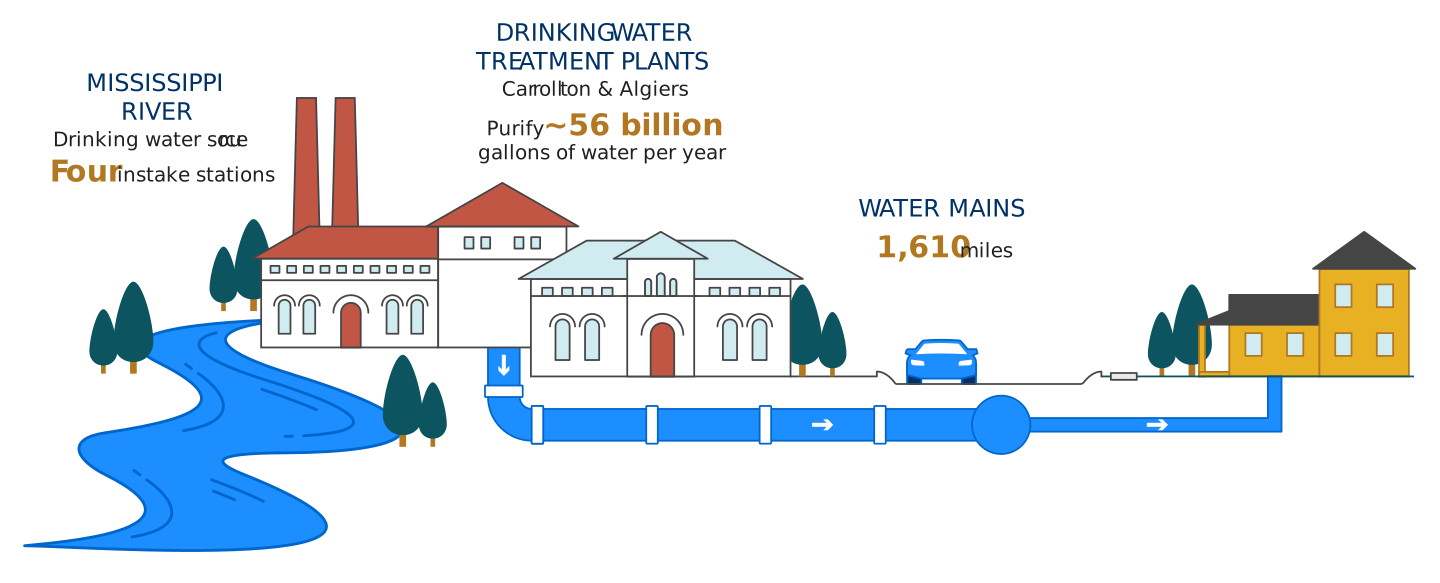
The Sewerage and Water Board also operates a water treatment plant on the west bank of the Mississippi River in Algiers. The purification process at the Algiers Water Purification Plant is similar to that of the Carrollton Water Plant, utilizing the same water treatment chemicals with a slightly modified process.
The Carrollton plant produces about 135 million gallons per day of finished water for the east bank of Orleans Parish. The Algiers Plant, which serves the predominantly residential west bank portion of the parish, purifies about 11 million gallons per day of water. Combined, the two plants treat approximately 54 billion gallons of water per year, removing 18,000 tons of solid material from the raw river water.
The treated water at the two plants is pumped through more than 1,610 miles of mains to approximately 150,000 service connections. It is delivered to approximately 244,000 people on the east bank of Orleans Parish and approximately 47,000 people on the west bank.
Frequently Asked Questions
How does SWBNO make sure the water is safe?
SWBNO continuously monitors and tests its drinking water at every step of treatment to verify it meets or exceeds all federal and state safety standards. For more details on testing programs, parameters, and results, see our Water Quality page and our Annual Water Quality Reports. You can also review our Understanding Your Drinking Water one-pager.
Where does my water come from?
River water from the Mississippi River is pumped to the treatment plants from large river pumping stations.
Is there lead in my water?
There is no detectable lead in the water that leaves our treatment plants. However, lead can enter drinking water through lead pipes and fixtures in plumbing. We add lime, also known as calcium hydroxide, to our water before it leaves our treatment plants. This is known as “corrosion control.” Lime minimizes the tendency for lead to dissolve into the water from pipes while traveling to your home or business.
In 2026, SWBNO will start a pilot project at the Algiers Treatment Plant to incorporate a food grade additive known as zinc orthophosphate into our treatment process to further reduce lead levels in drinking water. Zinc orthophosphate reduces corrosion by forming a protective barrier on the interior of pipes.
Who tests my water?
You can test your water with at-home testing kits. You can also request a free water testing kit for lead at swbno.org/Form/LeadTestingKitRequest.
What causes brown water?
Brown or discolored water can be caused by a variety of factors including rust, sediment, or mineral buildup in pipes or from municipal work disturbing water mains. A best practice is to flush your lines for 2–5 minutes or until the water runs clear. Make sure to clean your aerators for any debris.
What could cause white residue on faucets and fixtures?
White residue on faucets and fixtures is most likely buildup from hard water, called limescale. It can be removed utilizing distilled vinegar and hot water.